Introduction
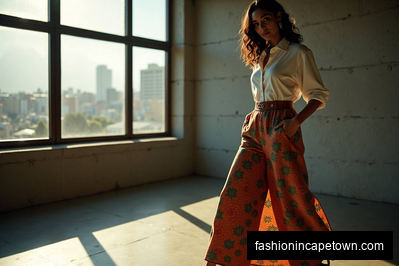
Cape Town, a vibrant city nestled at the tip of Africa, is a melting pot of cultures, histories, and, notably, fashion trends. This city's street style is as diverse and dynamic as its inhabitants, offering a unique visual feast for fashion enthusiasts and casual observers alike. From the bustling streets of Woodstock to the colorful corners of Bo-Kaap, Cape Town's fashion scene is an eclectic mix of traditional African attire, contemporary designs, thrift store finds, and high-end fashion labels. This blog post embarks on a visual journey through Cape Town's street style, exploring the trends that define this city's unique fashion landscape.
The essence of Cape Town's street style is not just in the clothes people wear but in the stories these choices tell about the city's history, its struggles, and its triumphs. Fashion in Cape Town is not merely about aesthetics; it's a form of expression, a dialogue between past and present, and a testament to the city's resilience and creativity. By examining the various elements that make up Cape Town's street style, we can gain insights into the broader cultural and societal trends that influence this vibrant city.
As we delve deeper into the captivating city of Cape Town, it becomes evident that its introduction merely scratches the surface of its wonders. From the iconic Table Mountain offering panoramic views to the colorful Bo-Kaap neighborhood steeped in Malay heritage, every corner of this city tells a unique story. The bustling V&A Waterfront, a hub of shopping and entertainment, reflects the modernity that complements Cape Town's rich historical tapestry. Through its diverse museums, such as the District Six Museum and Iziko South African Museum, visitors can truly grasp the depth of culture and history that make this city a must-visit destination.
The Influence of History and Culture on Cape Town's Fashion
Cape Town's history is a tapestry woven from diverse threads – colonialism, apartheid, and liberation, each leaving its mark on the city's cultural and fashion landscape. Traditional African attire, with its bright colors and intricate patterns, reflects the city's rich heritage and serves as a symbol of pride and identity for many of its inhabitants. The influence of Dutch and British colonialism can still be seen in the popularity of vintage European styles, which have been seamlessly integrated into the local fashion scene.
The anti-apartheid movement also had a significant impact on Cape Town's street style. Clothing became a powerful tool for political expression during this time, with certain colors and patterns acting as symbols of resistance. Today, this spirit of defiance and resilience can still be seen in the bold choices and eclectic mixes that characterize Cape Town's street fashion.
Contemporary Cape Town fashion is a reflection of the city's multicultural identity. Designers and street style icons draw inspiration from a diverse palette of cultural influences, blending traditional African elements with contemporary global trends. This fusion creates a unique aesthetic that is at once distinctly South African and universally appealing.
Exploring Cape Town's fashion scene unveils a rich tapestry reflecting the city's complex history and diverse cultural influences. The fusion of traditional African textiles with European styles, a legacy of colonialism, is evident in the vibrant prints and designs embraced by local designers. Moreover, the resilience and creativity of Cape Town's inhabitants, shaped by the struggle against apartheid, are mirrored in the bold and innovative fashion statements seen on the streets today. This unique blend of history and culture not only inspires the city's fashion industry but also serves as a powerful form of self-expression and identity for its residents.
Key Trends in Cape Town's Street Style
Cape Town's street style is defined by several key trends, each reflecting different facets of the city's identity. The resurgence of vintage and thrifted fashion is one such trend, with young Capetonians mixing and matching second-hand pieces to create unique, sustainable looks. This trend not only speaks to the city's creative spirit but also its growing consciousness around sustainability and ethical fashion.
Athleisure is another significant trend, reflecting Cape Town's laid-back lifestyle and its inhabitants' love for the outdoors. High-end sports brands are often paired with casual, everyday pieces, creating a look that is both stylish and functional. This trend highlights the importance of comfort and practicality in Cape Town's fashion scene, without sacrificing aesthetic appeal.
African luxury brands have also made their mark on Cape Town's streets, with local designers gaining both national and international recognition. These brands, which often utilize traditional African textiles and techniques, offer a modern take on African fashion, merging heritage with high fashion. The success of these brands reflects a growing appetite for luxury fashion that tells a uniquely African story.
One notable trend making waves in Cape Town's street style scene is the fusion of vibrant African prints with modern silhouettes. From bold Ankara patterns on tailored blazers to intricately designed headwraps paired with denim, this trend effortlessly blends tradition with contemporary fashion. Moreover, street style enthusiasts in Cape Town are embracing sustainable fashion by upcycling vintage pieces and incorporating eco-friendly materials into their outfits. This eco-conscious approach not only adds a unique touch to their looks but also promotes environmental awareness within the fashion community.
Influencers and Icons of Cape Town Fashion
The evolution of street style in Cape Town has been significantly influenced by a number of fashion influencers and icons, each bringing their unique perspective to the city's fashion narrative. Figures like Crystal Birch, a renowned hat designer, and Youngsta CPT, a local rapper known for his distinct streetwear style, have played pivotal roles in shaping the city's fashion identity. Their ability to blend international trends with local flavors has made them influential figures in Cape Town's fashion scene.
Another notable figure is Laduma Ngxokolo, the designer behind the brand Ma Xhosa Africa, who has gained international acclaim for his modern reinterpretation of traditional Xhosa knitwear. His designs, which have been showcased on global stages, highlight the potential of African fashion to compete on the world stage. Ngxokolo's success is a testament to the innovation and creativity that define Cape Town's fashion industry.
These influencers and others like them have not only contributed to the evolution of Cape Town's street style but have also played a crucial role in promoting local fashion on a global scale. By staying true to their roots while embracing global trends, they have helped put Cape Town on the map as a burgeoning fashion capital.
Exploring the vibrant fashion scene of Cape Town unveils a tapestry woven with the influences of iconic figures and trendsetting influencers. From the daring designs of Lukhanyo Mdingi, whose innovative creations blend cultural heritage with contemporary aesthetics, to the trendsetting prowess of Aqeelah Harron Ally, known for her effortless fusion of high-end fashion and street style, these individuals have left an indelible mark on the city's sartorial landscape. Their unique perspectives and boundary-pushing styles have not only shaped local fashion trends but have also garnered international acclaim, solidifying Cape Town as a hub of creative expression and sartorial innovation.
Cape Town's Fashion Future: Trends to Watch
As Cape Town continues to evolve, so too does its fashion scene, with several emerging trends indicating the direction in which the city's street style is heading. One such trend is the increasing focus on sustainability and ethical fashion. With the global fashion industry facing scrutiny for its environmental impact, Capetonians are increasingly turning to sustainable practices, such as upcycling and choosing locally made, eco-friendly materials. This shift reflects a broader global trend towards more sustainable living but is particularly poignant in Cape Town, where the natural beauty and biodiversity are a constant reminder of the importance of conservation.
Another trend to watch is the rise of digital fashion and the use of technology in the design and distribution of fashion. Cape Town's fashion scene is becoming increasingly digitized, with local designers and brands leveraging social media and e-commerce platforms to reach a wider audience. This digital shift is not only changing the way fashion is consumed but also the way it is created, with 3D printing and other technologies offering new possibilities for customization and innovation.
Lastly, the global spotlight on diversity and inclusion is also reflected in Cape Town's fashion scene. There is a growing emphasis on representation, with fashion shows and campaigns featuring a more diverse range of models and stories. This move towards greater inclusivity not only enriches Cape Town's fashion narrative but also aligns with the city's ethos of unity in diversity.
One noticeable trend shaping Cape Town's fashion future is the rise of sustainable and ethically sourced materials. Local designers are increasingly incorporating eco-friendly fabrics like organic cotton and recycled polyester into their collections, reflecting a growing consciousness towards sustainability in the industry. Moreover, the city's vibrant street style is influencing high-end fashion, with bold patterns and colors seen on the streets now making their way onto runways and designer pieces. This fusion of streetwear with luxury fashion is creating a unique and dynamic aesthetic that sets Cape Town apart on the global fashion stage.
Conclusion
Cape Town's street style is a vivid reflection of the city's history, culture, and vibrant spirit. Through an exploration of the trends, influencers, and emerging directions in Cape Town's fashion scene, it's clear that this city is not just following global fashion trends but is also setting its own. The future of fashion in Cape Town looks promising, with sustainability, digital innovation, and inclusivity set to shape its evolution. As Cape Town continues to carve out its niche on the global fashion stage, its street style will undoubtedly remain an essential source of inspiration and creativity, mirroring the city's dynamic and diverse character.
For fashion enthusiasts and cultural observers alike, Cape Town offers a unique lens through which to view the ever-changing world of fashion. Its streets are a canvas, displaying a rich tapestry of styles that speak to the city's past, present, and future. As Cape Town's fashion scene continues to grow and evolve, it will surely continue to captivate and inspire, not just within the confines of the city but across the globe.
In conclusion, Cape Town's street style not only serves as a visual representation of the city's past and present but also acts as a form of self-expression for its diverse inhabitants. From the colorful murals adorning the walls of Bo-Kaap to the eclectic mix of traditional African attire and modern urban fashion in Long Street, every corner of Cape Town tells a unique story through its street style. The fusion of different cultural influences, from the Cape Malay community to the Xhosa tribe, contributes to the dynamic and ever-evolving fashion landscape of this vibrant city.