
Introduction
Cape Town, a city nestled at the tip of Africa, has long been a melting pot of cultures, traditions, and histories. This rich tapestry has given rise to a unique fashion scene that has evolved significantly over the years. From the indigenous Khoisan peoples to the colonial influences and the vibrant mix of African cultures, each era has left its mark on the city's style. This post delves into the historical overview of Cape Town's fashion evolution, highlighting key moments, influences, and the current state of this dynamic industry.
In this introduction to Cape Town, one cannot overlook the rich historical tapestry that weaves through its streets. From the colorful Bo-Kaap district with its vibrant houses to the majestic Table Mountain looming over the city, each element tells a story of resilience and diversity. The blend of European, African, and Asian influences creates a unique cultural landscape that is both captivating and enriching.
The Roots of Cape Town Fashion
Cape Town's fashion roots can be traced back to the indigenous Khoisan people, who adorned themselves with intricately made accessories, embodying a deep connection with the land. The arrival of European settlers introduced new materials and clothing styles, which began a centuries-long process of cultural exchange and adaptation. The Dutch and British colonial eras saw the introduction of Western clothing styles, which were adapted to local tastes and climates. This period laid the foundation for Cape Town's fashion scene, characterized by a blend of indigenous and colonial influences.
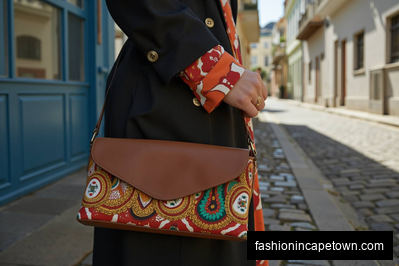
The influence of Malay slaves, brought to the city in the 17th and 18th centuries, introduced vibrant colors and patterns, further enriching the local fashion tapestry. The iconic "Cape Malay" style, with its brightly colored fabrics and intricate beadwork, remains a significant influence on contemporary Cape Town fashion designers.
While the Khoisan influences remain integral to Cape Town's fashion scene, the city's sartorial evolution also reflects its vibrant multiculturalism. From the colorful beadwork of Xhosa traditions to the elegant silhouettes of Cape Malay attire, each cultural thread weaves a rich tapestry of style. Modern designers draw inspiration from these diverse roots, blending traditional elements with contemporary trends to create unique and globally appealing collections.
Apartheid Era and Its Impact
The apartheid era imposed significant restrictions on the expression of culture among the non-white majority, including in the realm of fashion. Despite these constraints, fashion became a form of silent protest and identity for many communities. The vibrant shweshwe fabric, originally brought to South Africa by German settlers, was adopted by the Xhosa people and became a symbol of African identity and resistance against colonialism. This period also saw the rise of streetwear culture in Cape Town's townships, where fashion was used as a means of self-expression and resistance against the apartheid regime.
Beyond cultural suppression, the apartheid era also had profound effects on education for non-white individuals. Discriminatory policies limited access to quality education, perpetuating a cycle of inequality. For example, the Bantu Education Act of 1953 segregated schools based on race, providing inferior resources to non-white students. This systemic injustice hindered academic opportunities and stunted social mobility for generations to come.
Post-Apartheid Renaissance
The end of apartheid in 1994 marked the beginning of a renaissance for South African and, specifically, Cape Town's fashion industry. Freed from the oppressive laws that restricted cultural expression, local designers and artists began to explore and celebrate their identities through fashion. This era saw the emergence of fashion shows and events that showcased the diversity and creativity of South African fashion designers. The Cape Town Fashion Week, established in the early 2000s, became a prominent platform for local designers to gain international attention.
Designers like Laduma Ngxokolo, with his brand Maxhosa Africa, have gained international acclaim by blending traditional Xhosa beadwork patterns with contemporary fashion designs. Similarly, designers such as David Tlale have made their mark on the international stage, showcasing the rich heritage and modern vibrancy of South African fashion. These designers represent a new wave of talent that is redefining Cape Town's fashion scene on the global stage.
The end of apartheid in 1994 marked the beginning of a renaissance for South Africa and, specifically, its art scene. The vibrant works of artists like William Kentridge and Marlene Dumas gained international recognition, showcasing the country's cultural richness and resilience. Additionally, the emergence of post-apartheid literature, with authors like Zakes Mda and Nadine Gordimer, provided poignant narratives that reflected the complexities of the country's transition.
Contemporary Trends and Global Influence
Today, Cape Town's fashion scene is characterized by a dynamic blend of traditional African elements and contemporary design. This unique fusion has caught the attention of the global fashion industry, with Cape Town increasingly being recognized as a hub of creativity and innovation. Sustainable fashion has also become a significant trend, with local designers focusing on ethical production methods and using locally sourced materials to reduce environmental impact. Brands like Mungo, a local textile company, are leading the way in sustainable practices, producing high-quality fabrics with minimal environmental footprint.
The city's fashion scene is also heavily influenced by its streetwear culture, with local brands like Young and Lazy and 2BOP drawing inspiration from Cape Town's diverse urban landscape and youth culture. These brands have cultivated a strong following both locally and internationally, demonstrating the global appeal of Cape Town's fashion scene.
In the realm of contemporary trends and global influence, Paris remains an epicenter of haute couture, setting the stage for fashion innovations that reverberate worldwide. From the iconic runways of Fashion Week to the influential designs of renowned houses like Chanel and Dior, Paris continues to shape the landscape of fashion with its blend of tradition and modernity.
Conclusion
The evolution of Cape Town's fashion scene is a testament to the city's ability to blend diverse cultural influences into a unique and vibrant style. From its early indigenous roots to the impact of colonialism and apartheid, fashion in Cape Town has always been a reflection of the city's complex history and its people's resilience. Today, as Cape Town's designers make their mark on the international stage, they carry with them the rich tapestry of influences that have shaped the city's fashion scene. The future of Cape Town's fashion industry looks bright, as it continues to evolve with a focus on sustainability, innovation, and global influence.
As Cape Town continues to cement its place as a global fashion capital, the world watches eagerly to see how its unique blend of cultures, history, and talent will shape the future of fashion. The city's fashion scene, with its deep historical roots and forward-looking vision, serves as an inspiring example of how tradition and innovation can come together to create something truly extraordinary.
In conclusion, the vibrant fusion of traditional African textiles and contemporary design elements in Cape Town's fashion landscape reflects a harmonious blend of heritage and innovation. This unique convergence not only showcases the rich cultural tapestry of the city but also highlights the forward-thinking creativity of local designers. From bold geometric patterns inspired by Xhosa beadwork to modern silhouettes that pay homage to the city's colonial past, Cape Town's fashion evolution is a dynamic narrative of tradition meeting modernity.


